
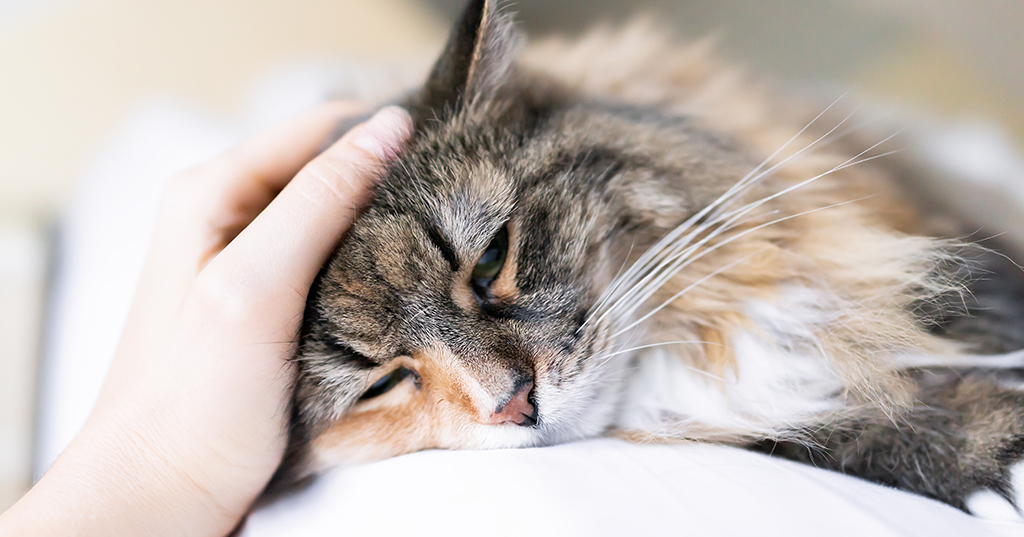
Most cat vaccine side effects, such as mild tiredness, low appetite, or a slight fever, appear within a few hours and fade within 24 to 48 hours. A small, firm bump at the injection site can last a few weeks, while serious reactions are rare and usually show up within minutes to hours of the appointment.
It is natural to feel a little protective after your cat’s vaccine visit. Your normally playful companion might spend the evening curled up in a quiet corner, and you may wonder how long that sleepy mood will last. Understanding what is typical helps you relax when your cat simply needs a nap, and act quickly in the rare case something more serious is going on. At North Jersey Animal Hospital in Wayne, owners frequently ask us, “How long do cat vaccine side effects last?” so we created this guide. It covers why vaccines matter, which reactions are normal, how kittens may respond differently, what warning signs to watch for, and how veterinarians work to keep reactions to a minimum.
Why Cat Vaccination Is So Important
Vaccines protect cats from contagious and sometimes fatal diseases, and they remain one of the most effective tools in preventive care.
The Diseases Vaccines Prevent
Core vaccines for cats typically include FVRCP, which protects against feline viral rhinotracheitis, calicivirus, and panleukopenia, along with rabies. Panleukopenia is highly contagious and especially dangerous for kittens, and rabies is fatal and can spread to people. Depending on your cat’s lifestyle, your veterinarian may also recommend the feline leukemia (FeLV) vaccine, particularly for kittens and cats who go outdoors or live with other cats.
Indoor Cats Need Protection Too
Many owners assume an indoor cat is safe from infectious disease. However, viruses can hitch a ride indoors on shoes and clothing, and cats can slip outside unexpectedly. Bats, which can carry rabies, also occasionally find their way into North Jersey homes. Rabies vaccination is also required by law in many communities, so staying current keeps your cat both healthy and compliant.
Can Cat Vaccination Be Skipped to Avoid Side Effects?
Some owners consider skipping vaccines because they worry about reactions. For the vast majority of cats, the risk of a serious vaccine reaction is far lower than the risk of the diseases themselves. Instead of skipping vaccines entirely, talk with your veterinarian about a tailored plan. Your vet can adjust which vaccines your cat receives and how often based on age, health, lifestyle, and any history of past reactions.
Common Cat Vaccine Side Effects That Are Normal
Mild reactions are a sign that your cat’s immune system is responding to the vaccine and building protection.
What Mild Reactions Look Like
After a vaccine appointment, many cats show one or more of these temporary changes:
- Sleeping more than usual or seeming less playful
- A slightly reduced appetite for a meal or two
- A mild fever that may make your cat feel warm to the touch
- Tenderness or mild swelling where the injection was given
- Sneezing, mild nasal discharge, or watery eyes after an intranasal vaccine
- Hiding or wanting extra quiet time
Typical Timelines for Each Reaction
So, how long do cat vaccine side effects last when they are mild? Lethargy, low appetite, and mild fever usually begin within several hours of the shot and resolve within one to two days. Soreness at the injection site often eases over the same period. A small, firm bump under the skin may linger for a few weeks as the body clears the vaccine and should gradually shrink. Sneezing after an intranasal vaccine can start a few days later and typically lasts several days. Every cat is an individual, so one cat may sail through vaccine day while a housemate naps until dinner. Both responses are usually normal, and neither means the vaccine worked better or worse.
If your cat’s mild cat vaccine side effects seem to be getting worse instead of better after two days, call your veterinarian for guidance.
Kitten Vaccine Side Effects: Are They Different?
Kittens experience the same kinds of cat vaccine side effects as adult cats, but a few factors make their care after vaccination a little different.
Why Kittens Need Closer Watching
Kittens receive a series of vaccines every few weeks until they are about 16 weeks old, so they visit the vet often during their first few months. They usually bounce back from mild cat vaccine side effects quickly. However, kittens have smaller bodies and less energy in reserve, so a kitten that stops eating or seems very weak needs attention sooner than an adult cat would. Very young kittens can become weak quickly if they skip several meals.
How Long Do Cat Vaccine Side Effects Last in Kittens?
For most kittens, sleepiness and reduced playfulness pass within a day or so, and many are back to pouncing on toys by the next morning. If your kitten is still lethargic or not eating after 24 hours, give your veterinarian a call.
How to Monitor Your Cat or Kitten After Vaccination
Whether your pet is eight weeks or eight years old, a little observation goes a long way after any vaccine visit. Provide a calm, comfortable space where your cat can rest, and keep food, water, and the litter box easy to reach. Check in periodically during the first 24 hours to see how your cat is eating, drinking, and moving around. Gently note the injection site over the following weeks so you can tell if a bump is shrinking. It also helps to schedule vaccine visits on a day when you can be home afterward to watch for any changes.
When Cat Vaccine Side Effects Are Not Normal
Serious cat vaccine side effects are uncommon, but knowing the warning signs helps you respond quickly if one occurs.
Signs of an Allergic Reaction
Severe allergic reactions usually develop within minutes to a few hours of vaccination. Contact your veterinarian at North Jersey Animal Hospital immediately, or go to an emergency animal hospital after hours, if your cat shows:
- Swelling of the face, lips, eyes, or neck
- Hives or intense itching
- Vomiting or diarrhea, especially if it is repeated
- Difficulty breathing or open-mouth breathing
- Collapse, extreme weakness, or pale gums
Injection Site Lumps That Need a Recheck
While most post-vaccine bumps disappear on their own, rarely a lump can develop into a tumor called an injection-site sarcoma. Veterinarians often use the “3-2-1 rule” as a guide. Have your cat examined if a lump is still present three months after vaccination, is larger than two centimeters, or is still growing one month after the injection.
How Veterinarians Reduce the Risk of Side Effects
Your veterinary team takes several steps to keep cat vaccines as safe as possible. These include performing an exam before vaccinating, tailoring vaccines to your cat’s real risks, choosing vaccine types and schedules carefully, and giving injections in specific locations recommended by veterinary guidelines. Be sure to tell your vet if your cat has ever reacted to a vaccine before, since that history may change the plan. In some cases, your veterinarian may suggest spacing vaccines across separate visits or keeping your cat at our clinic for a short observation period after the injection. Keeping a simple record of any cat vaccine side effects you notice, including when they started and how long they lasted, gives your vet useful information for future appointments.
Vaccine Questions? Talk With North Jersey Animal Hospital
Knowing how long cat vaccine side effects last can take much of the worry out of vaccine day. For most cats, a quiet day or two of extra rest is all that follows, and the protection vaccines provide lasts far longer than any short-term sleepiness. Paying attention to your cat afterward helps you tell the difference between a normal recovery and a reaction that needs care.
Our team at North Jersey Animal Hospital helps cat owners build vaccine plans that fit each cat’s age, health, and lifestyle. We are happy to answer questions before your visit and talk through any reactions you notice afterward.
Ready to schedule your cat’s vaccines or have a question about a recent shot? Call North Jersey Animal Hospital at (973) 595-8600 or book an appointment online.