Some drooling is completely normal for dogs, especially around food, during excitement, or in breeds with loose lips. You should be concerned if your dog is drooling much more than usual, the drooling started suddenly, or it comes with symptoms like pawing at the mouth, vomiting, bad breath, or lethargy, since these can point to dental problems, nausea, toxin exposure, or other medical issues.
If you have ever found a puddle next to your dog’s bowl or a damp spot on your pant leg, you know drool is part of life with many dogs. Still, a lot of owners reach a moment where they think, “My dog is drooling way more than normal. Should I worry?” That is a smart question to ask. Drool can be a sign of happy anticipation, but it can also be one of the first clues that something is wrong inside your dog’s mouth or body. At North Jersey Animal Hospital in Wayne, we help owners sort out what is normal and what needs a closer look. Here is what to know about why dogs drool, the most common causes of excessive drooling, emergency warning signs, and how veterinarians get to the bottom of the problem.
Why Do Dogs Drool?
Saliva helps dogs taste, chew, and swallow food, and a certain amount of drooling is simply part of how a healthy mouth works.
Normal Triggers for Drool
Many dogs drool in predictable situations. You may notice extra saliva:
- While waiting for dinner or watching you cook
- When smelling a favorite treat
- After drinking water or chewing on a toy
- During car rides, especially in dogs prone to motion sickness
- When excited to see a familiar person
- On hot days or after vigorous play
In these cases, the drooling usually stops once the trigger passes.
Breeds That Drool More
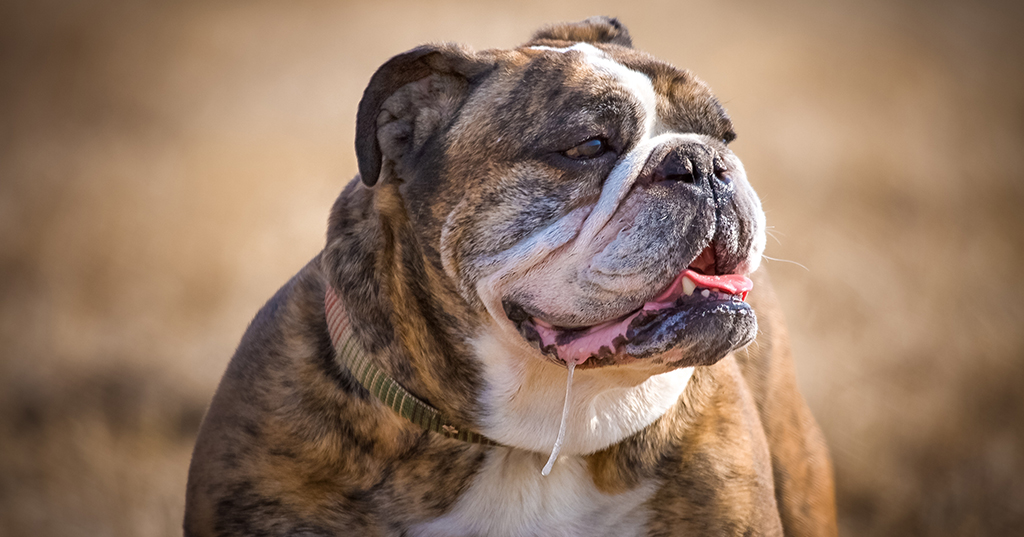
Some dogs are simply built to drool. Saint Bernards, Mastiffs, Newfoundlands, Bloodhounds, Boxers, and Bulldogs have loose, droopy lips that let saliva escape easily. For these breeds, steady drool is part of their charm. What matters most is knowing your own dog’s baseline. If a Mastiff who always drools suddenly drools twice as much, that change is worth noticing just as much as new drool in a Beagle who rarely drips.
Why Is My Dog Drooling a Lot?
When drooling increases beyond your dog’s normal amount, veterinarians call it hypersalivation or ptyalism, and it usually has an identifiable cause.
Dental Disease and Mouth Pain
Problems in the mouth are among the most common reasons a dog drools excessively. Gum disease, broken teeth, tooth root infections, and mouth ulcers can all cause pain that triggers extra saliva. Bad breath, reluctance to chew, dropping food, or blood-tinged drool are common clues. Dental disease is extremely common in adult dogs, and many pets hide mouth pain well, so if your dog is drooling and also has tartar buildup or red gums, the teeth are often the first place a veterinarian looks.
Something Stuck in the Mouth or Throat
Sticks, bone fragments, toy pieces, and other objects can lodge between teeth, along the roof of the mouth, or in the throat. A dog with a foreign object often paws at its face, gags, or drools heavily all at once. Dogs who love to chew sticks in the yard or destroy toys are especially prone to this problem.
Nausea and Stomach Upset
Dogs often drool before vomiting. Motion sickness, eating something they should not have, and digestive illness can all lead to nausea-related drooling, sometimes along with lip licking and swallowing repeatedly.
Toxins and Irritants
Licking or chewing certain plants, household chemicals, medications, or toads can cause sudden, heavy drooling. Some substances simply taste bitter, while others are genuinely dangerous. If your dog is drooling after getting into something, bring the packaging or a photo of the plant to help your veterinarian identify it quickly. The ASPCA Animal Poison Control Center is another resource your vet may coordinate with.
Other Medical Causes
Heatstroke, anxiety, swallowing disorders, growths in the mouth, and conditions affecting the liver, kidneys, or nervous system can also cause excessive drooling. If your dog is drooling with no clear trigger, these are among the possibilities a veterinarian will consider.
Is Excessive Drooling in Dogs an Emergency?
Excessive drooling is sometimes harmless and sometimes urgent, and the other symptoms you see alongside it are what help tell the difference.
Signs That Need Immediate Care
Contact your veterinarian right away, or go to an emergency animal hospital if it is after hours, if your dog is drooling and also shows any of these signs:
- Trouble breathing, gagging, or choking
- Swelling of the face, lips, or tongue
- Repeated vomiting or a swollen, tight belly
- Tremors, seizures, stumbling, or collapse
- Known or suspected exposure to a toxin, plant, chemical, or medication
- Signs of overheating after time in the sun or a warm car
A swollen belly with drooling and unproductive retching can signal bloat, a life-threatening condition that is most common in large, deep-chested breeds. Do not wait to see if it improves.
When to Schedule a Visit
If you find yourself saying “my dog is drooling more lately” but your pet is otherwise eating, playing, and acting normally, it is usually safe to book a regular appointment instead of rushing in. Mild but ongoing drooling, bad breath, or drool that has gradually increased over days or weeks all deserve an exam. Avoid trying to look deep into your dog’s mouth or remove an object yourself, since a dog in pain may bite. Leave that to your veterinary team.
How Veterinarians Diagnose, Treat, and Prevent Excessive Drooling
Finding the reason for excessive drooling allows your veterinarian to treat the actual problem rather than just the symptom.
Diagnosing the Cause
When an owner tells us their dog is drooling and they don’t know why, the visit becomes a bit of detective work. Your vet will start with questions about when the drooling began, what your dog may have eaten or chewed, and any other changes you have noticed. A thorough physical exam includes a careful look at the teeth, gums, tongue, and throat. Depending on what the exam reveals, your veterinarian may recommend bloodwork, X-rays, or a dental exam under anesthesia to look below the gumline and examine areas that are hard to see while your dog is awake.
Treatment Depends on the Cause
Because drooling is a symptom, treatment focuses on whatever is behind it. That might mean a professional dental cleaning and treatment of damaged teeth, removing a foreign object, managing nausea or motion sickness, supportive care after toxin exposure, or further workup for an underlying illness. Your veterinarian will explain the options that fit your dog’s situation.
Prevention Tips
Not every cause of drooling can be prevented, but routine dental exams and cleanings, safe chew toys instead of sticks or bones, secure storage of household chemicals and medications, and avoiding long car rides on an empty stomach for motion-sensitive dogs can all lower the risk. Regular wellness visits also help catch mouth and health problems early. During these appointments, your veterinarian can point out early tartar, gum inflammation, or small growths before they become painful, and you can ask about at-home dental habits that suit your dog. It also helps to walk your yard each spring and fall to clear out sticks, mushrooms, and toxic plants that curious dogs like to chew.
Noticing Extra Drool? Talk With North Jersey Animal Hospital
Drool is a normal part of life with many dogs, but a change in how much your dog drools is worth paying attention to. When you catch yourself thinking “my dog is drooling more than usual,” take a moment to look for other symptoms and consider what your dog may have gotten into. Those observations are incredibly helpful to your veterinarian.
Our team at North Jersey Animal Hospital can examine your dog’s mouth, look for the source of the extra saliva, and recommend appropriate next steps. For emergencies after hours, head to the nearest 24-hour animal hospital. Call us at (973) 595-8600 or book an appointment online.