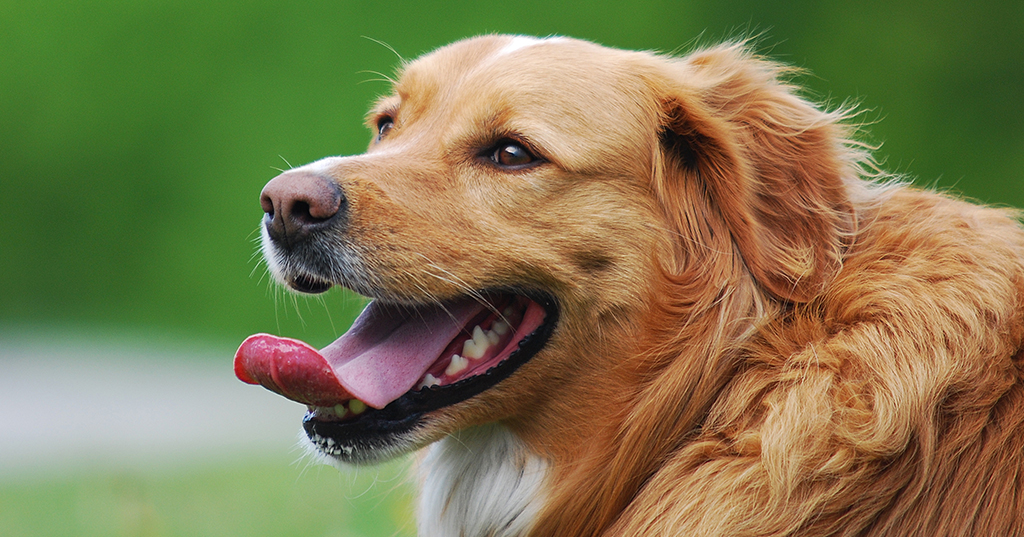
Dogs pant mainly to cool down, since they cannot sweat through their skin the way people do. Panting is normal after exercise, in warm weather, or during excitement, but heavy panting at rest, panting that will not settle, or panting paired with other symptoms can signal pain, stress, heatstroke, or an underlying medical problem.
Every dog owner knows the sight of a happy dog with its tongue out after a game of fetch. Most of the time, that panting is exactly what it looks like: a healthy body regulating its temperature. The panting dog meaning changes, though, when your pet starts breathing hard on a cool evening, during a quiet nap, or for no obvious reason at all. At North Jersey Animal Hospital in Wayne, owners often ask us how to tell normal panting from a warning sign. This guide explains why dogs pant, what can cause excessive panting, how to recognize breathing that looks wrong, and when to call your veterinarian.
Why Does a Dog Pant?
Panting is a dog’s built-in cooling system, and it also plays a role in how dogs express emotion.
How Panting Cools a Dog Down
Dogs have only a few sweat glands, mostly in their paw pads, which is not nearly enough to release body heat. Instead, they breathe rapidly through an open mouth. Air moving over the moist tongue, mouth, and upper airways causes evaporation, which carries heat away from the body. This is why a panting dog after a walk on a warm day is completely normal and usually settles within a few minutes of rest.
Everyday Reasons for Normal Panting
Healthy dogs pant in plenty of ordinary situations, including:
- After running, playing, or a long walk
- On hot or humid days, especially during a North Jersey summer
- When excited, such as when you come home or grab the leash
- During car rides or visits to new places
- While sleeping in a warm room or next to a heat source
Breed and Body Type Matter
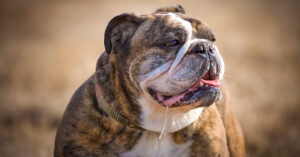
Flat-faced breeds such as Bulldogs, Pugs, Boston Terriers, and Shih Tzus have shorter airways that make cooling less efficient, so they tend to pant more and overheat faster. Dogs with thick coats or extra weight also work harder to stay cool. Knowing what is normal for your individual dog makes it much easier to spot when something changes, and it helps you interpret the meaning of panting for your own pet rather than relying on general rules.
Why Is My Dog Panting So Much?
When a panting dog is not hot, tired, or excited, the extra breathing usually has another explanation worth exploring.
Stress, Fear, and Anxiety
Dogs often pant when they feel nervous. Thunderstorms, fireworks, vet visits, and time alone can all trigger anxious panting. You may also see pacing, yawning, lip licking, trembling, or hiding. In these cases, the meaning of panting has more to do with emotion than temperature. Some dogs also pant when they are left alone or when their routine changes, such as after a move or a new baby arrives. If anxiety-related panting happens often, your veterinarian can talk with you about behavior support options that fit your dog.
Pain and Discomfort
Panting is one of the subtle ways dogs show pain. A dog with arthritis, an injury, an upset stomach, or another painful condition may pant even while resting. Restlessness, reluctance to lie down, or changes in posture can accompany it. Senior dogs are especially good at masking discomfort, so new panting in an older dog is a good reason to look for a hidden source of pain.
Heatstroke
Heatstroke is one of the most dangerous reasons for heavy panting. It can happen quickly in hot cars, during exercise on humid days, or when a dog has no shade or water. Flat-faced breeds, senior dogs, and overweight dogs face the greatest risk. Never leave a dog in a parked car, even with the windows cracked, because the temperature inside can climb to dangerous levels within minutes. Schedule walks for cooler morning and evening hours during summer heat waves.
Medical Conditions
Several health problems can cause a dog to pant more than usual. Heart disease and lung disease can make breathing harder. Cushing’s disease, a hormonal condition common in middle-aged and older dogs, often causes panting along with increased thirst and a pot-bellied appearance. Anemia, laryngeal paralysis, fever, obesity, and side effects from certain medications can also play a role. Only a veterinary exam and testing can sort out which, if any, of these is responsible.
How Can You Tell If a Dog Is Panting Excessively?
Excessive panting is less about any single breath and more about context, timing, and the other signs that come with it.
Panting That Seems Out of Place
Start by asking whether the panting makes sense. A dog panting after a run in July is expected. A dog panting hard while lying on a cool kitchen floor in October is not. Panting that continues long after activity stops, begins suddenly without a trigger, or happens regularly at night deserves attention.
Warning Signs That Need Prompt Attention
Contact your veterinarian right away, or an emergency animal hospital after hours, if your panting dog shows any of the following:
- Pale, gray, blue, or bright red gums or tongue
- Loud, raspy, or noisy breathing
- Breathing that looks labored, with the belly or chest heaving
- Drooling heavily, vomiting, or diarrhea
- Weakness, stumbling, confusion, or collapse
- Panting that does not ease after resting in a cool, quiet place
Watching for Gradual Changes
Not every problem shows up as an emergency. Some dogs slowly begin panting more over weeks or months. If your dog now pants on short walks that used to be easy, seems to breathe harder while sleeping, or drinks much more water than usual, schedule an exam. Gradual changes often point to conditions that are easier to manage when caught early.
What To Do if Your Dog Is Panting Heavily
When your dog is panting hard, your first goal is to remove any obvious trigger and then decide how quickly your pet needs to be seen.
Take Away the Trigger
If your dog has been active or out in the heat, stop the activity and bring your dog indoors to an air-conditioned space. If a storm, guests, or loud noise seems to be the cause, move your dog to a quiet room where they feel secure. Then watch closely. Normal panting from exercise or excitement usually slows within several minutes once the trigger is gone.
Call Your Veterinarian
If the panting continues, seems severe, or comes with any of the warning signs above, call your veterinarian right away. Suspected heatstroke is always an emergency, so head straight to North Jersey Animal Hospital and call ahead on the way. Avoid giving your dog any human medications, which can be harmful to pets.
Information That Helps Your Vet
When you call, be ready to share when the panting started, what your dog was doing beforehand, whether your dog has been outside in the heat, any other symptoms you have noticed, and any medications your dog takes. A short phone video of your dog’s breathing can also be very helpful. These details help your veterinarian understand the meaning behind panting in your pet’s specific situation.
Breathing Concerns? North Jersey Animal Hospital Can Help
Panting is a normal part of life for dogs, and most of the time it simply means your pet is warm, excited, or worn out from a good play session. Learning your dog’s usual patterns helps you notice when panting starts to look different, and that awareness can make a real difference in getting your pet care at the right time. When you are unsure about the panting dog meaning in a particular moment, a quick call to your veterinarian is always a reasonable step.
If something about your dog’s breathing does not seem right, our team at North Jersey Animal Hospital is here to help. We work with dog owners from Wayne, Pompton Lakes, Totowa, Little Falls, and nearby North Jersey towns to find the reasons behind heavy panting and recommend appropriate next steps. For emergencies after hours, go directly to the closest 24-hour animal hospital.
Wondering whether your dog’s panting is normal? Call North Jersey Animal Hospital at (973) 595-8600 or book an appointment online.