
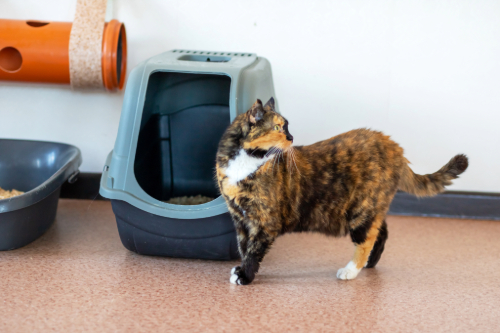
If you’re dealing with a cat pooping outside the litterbox, the behavior often connects to discomfort, stress, litterbox setup issues, or a change in routine. Cats usually prefer clean, quiet, predictable bathroom spaces, so avoiding their box signals that something has shifted in their environment or daily experience. While the behavior can feel frustrating for pet owners, it’s also one of the most common concerns brought to North Jersey Animal Hospital. Understanding the reasons behind your cat’s behavior helps you respond in a calm, informed way and support your cat’s comfort. If the problem continues, calling (973) 595-8600 or booking an appointment online offers helpful guidance from a trusted veterinary team. Cats communicate a lot through their bathroom habits, and this topic deserves more room than a quick answer. The following guide explores environmental, behavioral, and physical factors that may influence litterbox avoidance, shedding light on subtle issues that aren’t always obvious at first glance.
Common Environmental Causes of Litterbox Avoidance
Environmental factors play a major role in litterbox behavior. Cats depend on familiar surroundings and predictable spaces, so even small disruptions around the home can lead to bathroom changes. When the environment feels uncomfortable or confusing, your cat may look for other, more suitable spots to relieve themselves. Understanding these triggers helps you recognize what your cat is reacting to and observe whether recent changes around the home may be influencing their actions.
Too Few Litterboxes for the Household
A common problem in multi-cat homes involves competition for litterboxes. Cats appreciate privacy, and if another cat blocks access, guards the area, or simply uses the box first, your cat may start avoiding it altogether. The general guideline is to have one litterbox per cat plus one extra. This reduces tension, prevents territorial disputes, and gives each cat an escape route. Some cats may also refuse to use a box if another cat has recently used it, especially if they already feel stressed. If your household has grown or your cats’ relationships have changed, litterbox-sharing may be adding pressure that leads to accidents.
Placement Problems That Impact Comfort
Cats prefer quiet locations that feel safe and protected. If the litterbox sits near a loud washer, a busy hallway, or an area with constant foot traffic, your cat may choose a more peaceful space instead. Positioning the box near a pet door, in a basement with unpredictable noise, or in a cold or damp room can also influence avoidance. Cats look for calm, stable places to relieve themselves, so evaluating your home’s layout often reveals surprising triggers. Even a recent renovation, a rearranged room, or a shift in where family members gather can influence your cat’s comfort.
Cleanliness Challenges That Make the Box Unappealing
Cleanliness is one of the biggest drivers of litterbox avoidance. Cats have sensitive noses and prefer freshly scooped boxes. If the box isn’t cleaned frequently, or if the litter type traps odor poorly, your cat may decide the area is too unpleasant. Even if you scoop regularly, a box with older, deeply saturated litter can carry lingering smells that make your cat look elsewhere. Cats also notice if the litter feels damp, sticky, or difficult to dig in. A box that’s not emptied and refilled often enough can lead to similar avoidance behaviors.
Behavioral Factors That Influence Litterbox Habits
Behavioral triggers can be just as influential as environmental ones. Cats often express stress, anxiety, or confusion through their bathroom habits, especially when verbal communication fails to convey what they’re feeling. Shifts in routine, emotional changes, and household conflicts can all influence your cat’s confidence and comfort when using the litterbox.
Stress from Changes in the Home
Cats thrive on stability. A new family member, a recent move, new furniture, or holiday gatherings can disrupt their sense of security. Even guests staying overnight or changes in your work schedule may cause noticeable shifts in your cat’s behavior. When your cat feels uncertain or overwhelmed, they may avoid using the litterbox if it’s in a spot that now feels risky or exposed. Stress reduction strategies and patience often help cats settle back into their routine once life returns to normal.
Territorial Tension Between Cats
Multi-cat households sometimes experience territorial disputes. Cats compete over resources such as food, resting spots, and yes, litterboxes. Tension often shows up subtly long before fights occur. A confident cat may block entry to the box or “shadow” another cat to intimidate them. If your cat begins to poop outside the litterbox, especially in hallways or near doorways, they may be marking or responding to a rival. Understanding the social structure of the household gives insight into whether your cat feels insecure or threatened.
Separation or Schedule-Related Anxiety
Cats form strong bonds with their families, and changes in your routine can influence their behavior. If you’ve recently returned to work, started traveling, or shifted your household’s daily rhythm, your cat may respond with stress-related actions. Bathroom habits often reflect emotional adjustment. Cats who feel anxious may choose bathroom spots that smell like you or places where they feel safer, even if that means avoiding the litterbox for a period of time.
Litterbox Setup Problems That May Be Driving the Behavior
Sometimes the box itself is the issue. Details such as texture, shape, depth, and scent influence how appealing a litterbox feels to your cat. If something about the box becomes uncomfortable, unfamiliar, or overwhelming, your cat may try to find a better option elsewhere.
Litter Type Preferences
Many cats have strong opinions about litter textures. Some prefer fine-grain litter that feels soft on their paws, while others prefer heavier granules that don’t stick. If you’ve recently switched brands, introduced scented litter, or changed the box setup, your cat may react by avoiding the box. Even transitioning from clay litter to natural or recycled options may impact comfort. Paying attention to your cat’s digging behavior offers clues about their preferences.
Covered vs. Uncovered Boxes
Covered boxes seem appealing to people, but many cats dislike them. Enclosed boxes trap odors and may feel confining. Cats often prefer open boxes because they allow more airflow and better visibility. If the box changed from open to covered, that shift alone may influence behavior. Some cats also feel trapped inside covered boxes if another household pet tends to ambush them.
Box Size and Accessibility
A litterbox that’s too small or hard to enter may lead to avoidance. Large cats may feel uncomfortable turning or squatting in cramped spaces. Senior cats may struggle with high edges that require climbing or jumping. If your cat recently grew bigger, gained weight, or aged into a new life stage, their needs may have changed without you realizing it. Evaluating the size, accessibility, and comfort of the box helps you understand whether your cat feels restricted or physically strained.
When Physical Discomfort Influences Bathroom Behavior
While this blog avoids offering medical direction, it’s important to understand that physical discomfort can influence litterbox habits. When cats associate the litterbox with an unpleasant experience, they may try to avoid it in the future. Observing changes in behavior gives you valuable information to share during a veterinary visit.
Signs That Suggest Discomfort
Cats rarely show pain openly, so shifts in bathroom habits often offer early clues that something feels uncomfortable. You might notice your cat straining, vocalizing, or avoiding certain movements around the box. They may also begin hiding more frequently or acting more withdrawn. While these signs don’t always indicate physical discomfort, they help guide your next steps and provide useful information for your veterinarian.
Why Early Evaluation Helps
Cats often mask changes in how they feel, so even subtle behavior shifts can matter. An accident outside the box might be your first indication that something needs attention. If your cat continues to avoid the litterbox, North Jersey Animal Hospital can evaluate the situation and help you understand possible next steps. Calling (973) 595-8600 or scheduling an appointment online allows you to discuss the patterns you’ve observed and determine an appropriate plan.
Supporting a Cleaner, More Comfortable Home for You and Your Cat
When you’re facing a cat pooping outside litterbox situation, the experience can feel stressful, but it also opens the door to understanding your cat on a deeper level. Cats communicate best through their behavior, and litterbox changes often highlight discomfort, practical challenges, or emotional needs. By observing your cat’s patterns, reviewing recent household changes, and evaluating their litterbox setup, you can often identify meaningful clues. If the behavior continues, your trusted veterinary team in Wayne, NJ, can help guide your next steps. Call (973) 595-8600 or book an appointment online to support a smoother, cleaner experience for both you and your cat.