Cat sneezing is usually caused by a minor irritant like dust or a strong scent, but frequent or ongoing sneezing often points to an upper respiratory infection, dental disease, allergies, or something stuck in the nose. An occasional sneeze is normal, while sneezing paired with discharge, appetite loss, or lethargy deserves a call to your veterinarian.
Hearing your cat sneeze can be oddly charming the first time. When it becomes a daily habit, though, most owners start to wonder what is going on inside that little nose. The good news is that many causes of sneezing are mild and manageable. The tricky part is that several more serious conditions start with the same symptom, and cats are experts at hiding when they feel unwell. At North Jersey Animal Hospital in Wayne, we see sneezy cats of every age, from shelter kittens to senior house cats. This guide covers the most common reasons cats sneeze, what the extra symptoms can tell you, and when it is time to bring your cat in for a closer look.
Why Is My Cat Sneezing So Much?
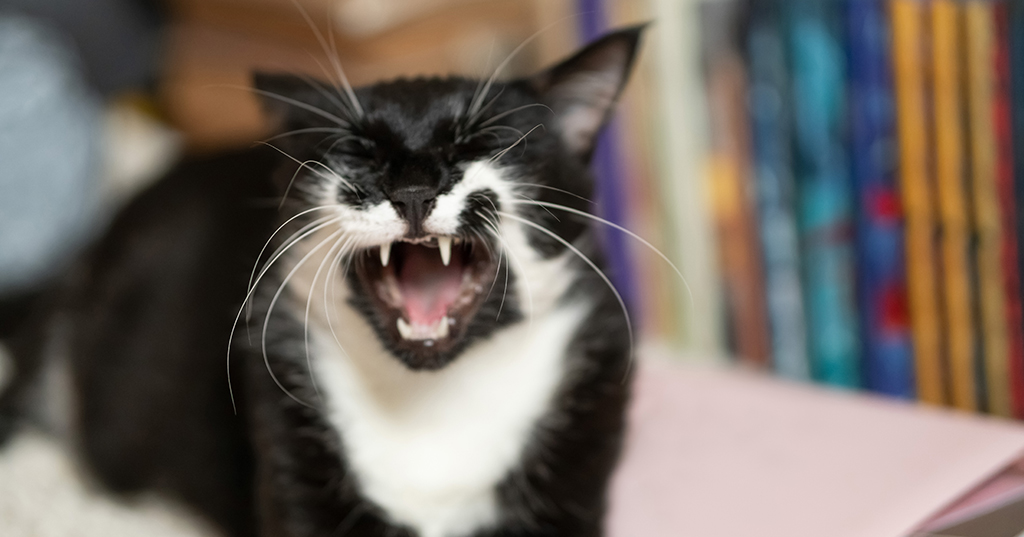
Sneezing is your cat’s way of clearing something from the nasal passages, whether that is a speck of dust or the effects of an infection.
Occasional Sneezes vs. a Pattern
A sneeze or two after your cat sniffs a dusty corner, rolls in catnip, or investigates a candle is nothing unusual. Healthy cats sneeze now and then, just like people do. Sneezing becomes worth watching when it happens several times a day, continues for more than a few days, or comes in long fits. A pattern usually means something is persistently irritating or inflaming the nose and sinuses.
Symptoms That Often Come Along With Sneezing
The signs that appear alongside sneezing are often the best clues to what is causing it. Pay attention to whether your cat also has:
- Clear, yellow, green, or bloody nasal discharge
- Watery or squinting eyes, or discharge from the eyes
- Congestion or noisy breathing through the nose
- Reduced appetite, since cats rely heavily on smell to eat
- Bad breath or drooling
- Pawing at the face or nose
Noting which of these you see, and when they started, gives your veterinarian a head start in figuring out why your cat is sneezing.
Kittens and Seniors Need Extra Attention
Young kittens and older cats have less reserve to fight off illness. A kitten who stops eating because of a stuffy nose can become weak quickly, and a senior cat with new sneezing may have an underlying condition that needs attention. For these age groups, it is wise to call sooner rather than later.
Infectious and Medical Causes of Sneezing in Cats
Many cases of cat sneezing trace back to infections or health problems inside the mouth and nose, and these are the first possibilities a veterinarian usually considers.
1. Viral Upper Respiratory Infections
Upper respiratory infections are the most common reason for sneezing, especially in kittens and cats from shelters or multi-cat homes. Feline herpesvirus and feline calicivirus cause most of these infections. They spread through close contact, shared bowls, and sneeze droplets. Cats with herpesvirus often carry it for life, and flare-ups can return during times of stress, such as a move, a new pet, or boarding.
2. Bacterial Infections
Bacteria such as Bordetella and Chlamydia can cause respiratory illness on their own, and bacterial infections frequently develop on top of a viral one. Thick yellow or green discharge is a common hint that bacteria are involved, and only a veterinarian can determine whether treatment is needed.
3. Dental Disease
It surprises many owners, but the roots of a cat’s upper teeth sit very close to the nasal passages. A tooth root infection or advanced dental disease can create inflammation that leads to sneezing and nasal discharge, often on just one side. Bad breath or reluctance to chew are clues that the mouth may be the source.
4. Nasal Polyps and Growths
Nasal polyps are noncancerous growths that are more common in younger cats, while tumors in the nose are more often seen in older cats. Both can cause chronic sneezing, noisy breathing, and discharge that may contain blood. These conditions require a veterinary exam and diagnostic testing to identify.
Environmental and Everyday Triggers for Cat Sneezing
Not every sneeze signals illness, and some of the most common triggers are hiding in plain sight around your home.
5. Household Irritants
Cats have sensitive noses, and everyday products can set off a round of sneezing. Common culprits include:
- Dusty or heavily scented cat litter
- Air fresheners, plug-ins, and scented candles
- Perfume, hairspray, and cleaning sprays
- Cigarette smoke or fireplace smoke
- Mold, mildew, and pollen drifting in from open windows
If the sneezing seems tied to cleaning day or a new product, mention it to your veterinarian. Spotting that connection can save a lot of guesswork.
6. Allergies
Allergies are a less common cause of sneezing in cats than in people, but they do happen. Cats with environmental allergies more often show itchy skin, overgrooming, or ear problems, sometimes with sneezing mixed in. Seasonal timing can be a helpful clue here in North Jersey, where spring and fall pollen counts climb. If sneezing seems to come and go with the seasons, keep a simple log of dates and symptoms to share at your next appointment.
7. Foreign Objects in the Nose
Curious cats occasionally inhale blades of grass, plant material, or small debris. A foreign object usually causes sudden, violent sneezing, pawing at the nose, and discharge from one nostril. Because these objects can be difficult to see or reach, a veterinary visit is the safest route. Indoor-outdoor cats and cats who like to chew on houseplants are more likely to run into this problem, so mention your cat’s habits when you call.
8. Intranasal Vaccines
Some respiratory vaccines are given as drops in the nose. A few days of mild sneezing afterward can be a normal response. If sneezing continues longer than expected or your cat seems unwell, give your veterinarian a call.
When to Call the Vet About Cat Sneezing
Knowing when sneezing has crossed the line from a quirk into a health concern helps you act at the right time.
Schedule an Appointment If You Notice
Book a visit if your cat has been sneezing for more than a few days, has thick or colored nasal discharge, shows eye discharge or squinting, sneezes mostly from one nostril, or has bad breath along with the sneezing. Repeated flare-ups also warrant an exam, since chronic sneezing often has an underlying cause that can be identified and managed.
Seek Care Right Away If Your Cat
Some situations should not wait. Contact your veterinarian promptly, or an emergency animal hospital after hours, if your cat is breathing with an open mouth, struggling to breathe, has blood coming from the nose, has stopped eating for more than a day, or seems very weak or hides more than usual. Kittens who stop eating need attention especially quickly.
What to Expect at the Visit
Your veterinarian will likely ask about your cat’s history, vaccines, other pets in the home, and any recent changes. The exam may include a close look at the eyes, nose, mouth, and teeth. Depending on the findings, your vet may recommend testing to pinpoint the cause. Avoid giving your cat any human cold or allergy medicine, since many of these products are toxic to cats.
Help for Your Sneezing Cat at North Jersey Animal Hospital
An occasional sneeze is just part of life with a cat, but persistent cat sneezing is your pet’s way of telling you something is bothering them. Paying attention to how often it happens and what symptoms come with it gives your veterinarian valuable information and helps your cat get relief sooner. Most causes of sneezing can be identified with a thorough exam, and catching problems early often makes them easier to manage.
Our team at North Jersey Animal Hospital welcomes cat owners from Wayne, Pompton Lakes, Totowa, Little Falls, and nearby communities. Whether your kitten has a runny nose or your older cat has developed a new sneeze, we can examine your pet, look for the cause, and talk through the next steps with you.
Have questions about your cat’s sneezing? Call North Jersey Animal Hospital at (973) 595-8600 or book an appointment online.