Bad breath in dogs is one of the most common concerns pet owners bring up at the vet, and while a little “dog breath” is normal, truly foul-smelling breath is usually a sign that something needs attention. The most effective way to get rid of bad breath in dogs is to identify and treat the underlying cause, which most often comes back to oral health. Here’s what’s behind that odor and what you and your veterinarian can do about it.
Why Does My Dog Have Bad Breath?
Dog bad breath, technically called halitosis, doesn’t happen without a reason. In most cases, the smell traces back to bacteria in the mouth, but the source of that bacteria can vary.
Periodontal Disease
Periodontal disease is by far the most common cause of bad breath in dogs. By age three, the majority of dogs show some signs of dental disease, which begins with plaque accumulation and progresses to tartar, gum inflammation (gingivitis), and eventually infection that affects the teeth and jawbone.
The bacteria responsible for periodontal disease produce volatile sulfur compounds, the same compounds behind the rotten egg or garbage-like smell that characterizes severe dog breath. Getting rid of bad breath in dogs with dental disease requires professional veterinary dental cleaning under anesthesia, not just at-home brushing.
Plaque and Tartar Buildup
Even before full-blown periodontal disease develops, plaque and tartar are already feeding odor-causing bacteria. Plaque is a soft film that forms continuously on the teeth; if not removed, it hardens into tartar (calculus) within days. Tartar cannot be brushed off, it requires professional scaling.
Regular at-home dental care, combined with professional cleanings at North Jersey Animal Hospital, is the most reliable approach to getting rid of bad breath in dogs over the long term.
Tooth Abscess or Oral Infection
A tooth abscess or a pocket of infection at the root of a tooth can produce an especially strong, foul odor. Dogs with abscesses may also paw at their mouth, drool excessively, have difficulty eating, or show facial swelling. This is a painful condition that needs veterinary treatment right away.
Something Caught in the Teeth or Gums
Dogs explore the world with their mouths, and sometimes a piece of food, bone, stick, or other material becomes lodged between the teeth or along the gumline. This trapped material decays and produces a very unpleasant smell.
Diet
What a dog eats affects their breath. Dogs that eat certain wet foods, have access to garbage, or snack on feces (a behavior called coprophagia) may have worse-smelling breath as a direct result of what they’ve consumed.
Systemic Disease
In some cases, bad dog breath points to something beyond the mouth. Specific types of odor can suggest underlying health conditions:
- A sweet or fruity smell may indicate diabetes
- A urine-like or ammonia smell can point to kidney disease
- An unusually foul smell paired with vomiting and yellow skin or eyes may indicate liver problems
If your dog’s breath has changed recently or has a distinctive, unusual smell, don’t dismiss it. Contact North Jersey Animal Hospital in Wayne, NJ, to discuss what you’re noticing.
How to Get Rid of Bad Breath in Dogs
Addressing dog bad breath means addressing its cause. Here’s a breakdown of the most effective approaches:
Professional Dental Cleaning
A professional dental cleaning at North Jersey Animal Hospital is the single most effective treatment for dog bad breath caused by dental disease. This procedure is performed under anesthesia and includes scaling above and below the gumline, polishing, and a full oral exam to identify any teeth that may need extraction or other treatment.
Many pet owners are surprised by the dramatic improvement in their dog’s breath after a professional cleaning.
At-Home Dental Care
After a professional cleaning, maintaining that improvement at home makes a significant difference. Veterinarian-recommended options include:
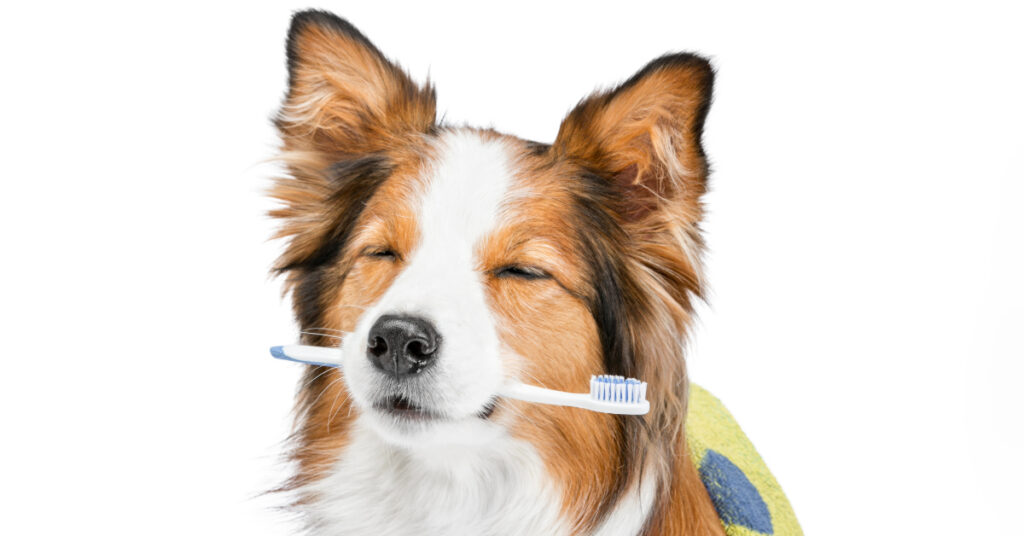
- Daily tooth brushing with a dog-safe toothpaste (never use human toothpaste, which contains ingredients that are toxic to dogs)
- Dental chews, treats, and diets with the Veterinary Oral Health Council (VOHC) seal of acceptance
- Water additives or oral rinses designed for dogs
Our veterinary team can walk you through the best at-home routine for your specific dog at North Jersey Animal Hospital.
Treating the Underlying Cause
If bad breath stems from a systemic condition like diabetes, kidney disease, or a liver problem, treating that condition is the priority. Improving breath in these cases depends on managing the disease, which requires veterinary diagnosis and an ongoing care plan.
How Often Should Dogs Have Their Teeth Cleaned?
Most dogs benefit from a professional dental cleaning once a year, though some dogs, particularly small breeds, which are more prone to dental disease, may need more frequent cleanings. Larger dogs and those with excellent at-home dental care routines may be able to go slightly longer between cleanings.
Our team at North Jersey Animal Hospital will evaluate your dog’s teeth at each wellness visit and recommend a cleaning schedule based on your dog’s individual needs.
What to Expect at a Dental Exam
When you bring your dog in for a dental concern or routine oral health evaluation, the veterinarians at North Jersey Animal Hospital will:
- Examine the teeth, gums, tongue, and oral tissues
- Look for signs of plaque, tartar, gingivitis, loose teeth, or oral masses
- Recommend diagnostic imaging if needed to evaluate tooth roots and jawbone
- Discuss a cleaning and treatment plan based on what they find
This exam is also a great opportunity to ask questions about at-home dental care and how to improve your dog’s oral hygiene between cleanings.
Fresher Breath Starts With a Healthy Mouth
The path to getting rid of bad breath in dogs leads through the mouth and, sometimes, through a broader health evaluation. Whether your dog’s halitosis is the result of dental disease, an oral infection, or a systemic condition, our team at North Jersey Animal Hospital in Wayne, NJ, is equipped to help. Call us at (973) 595-8600 or book an appointment online and take the first step toward fresher breath and better health for your dog.