Reverse sneezing in dogs is one of the most startling things a pet owner can witness: a sudden, honking, snorting episode that sounds far more alarming than it usually is. The good news is reverse sneezing is typically harmless and resolves on its own within a minute or two. But understanding what causes it, what it looks like, and when it warrants a veterinary visit can help you feel more confident the next time it happens to your dog.
What Is Reverse Sneezing in Dogs?
Reverse sneezing, also called pharyngeal gag reflex or inspiratory paroxysmal respiration, occurs when a dog rapidly and forcefully inhales air through the nose rather than expelling it. The result is a loud, repetitive snorting or honking sound that can last anywhere from a few seconds to a couple of minutes.
During a reverse sneezing episode, dogs typically stand still with their elbows out, neck extended, and head down. Their eyes may bulge slightly, and the chest appears to expand with each gasp. While the event can look alarming, dogs are usually not in distress and return to normal behavior as soon as the episode ends.
What Causes Reverse Sneezing in Dogs?
Reverse sneezing in dogs happens when something irritates the soft palate or the back of the throat, triggering a muscle spasm. A wide range of factors can set off this reflex, including:
- Excitement or rapid activity
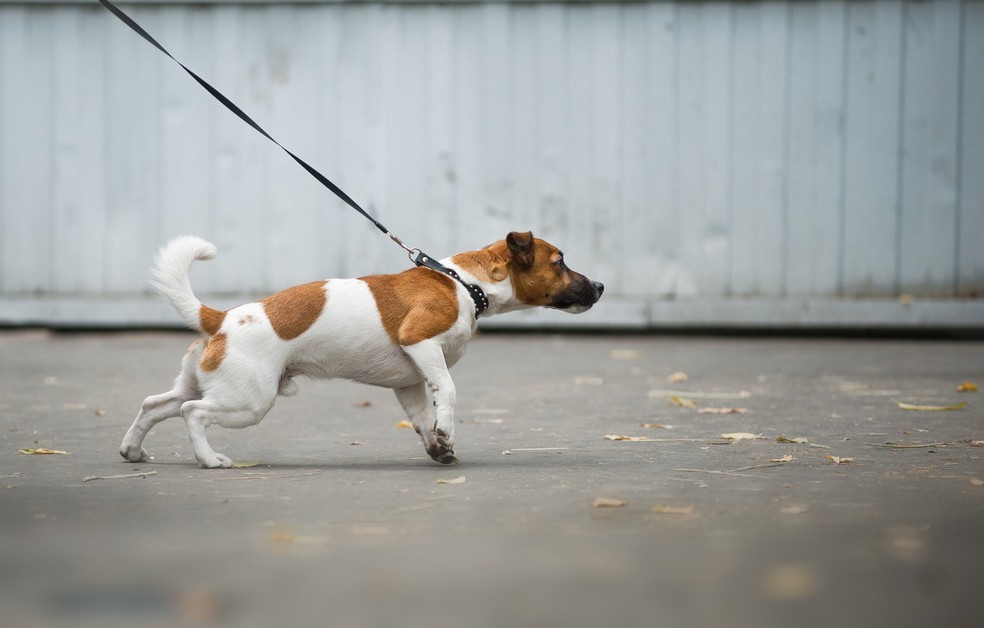
- Pulling on a leash or collar
- Allergens such as dust, pollen, or household chemicals
- Eating or drinking too quickly
- Nasal mites or other irritants in the nasal passages
- Strong smells, including perfumes or cleaning products
- Changes in temperature or humidity
Some dogs experience reverse sneezing once in a while with no identifiable trigger, while others seem to have episodes more regularly. Either pattern can be normal, though frequent episodes should be discussed with your veterinarian.
Which Dog Breeds Are More Prone to Reverse Sneezing?
Brachycephalic breeds, which are dogs with flat or short faces, are more susceptible to reverse sneezing because of the anatomy of their airways. Breeds such as Bulldogs, Pugs, Shih Tzus, and Boxers have elongated soft palates and narrower nasal passages that make them more vulnerable to throat irritation and spasm.
Smaller dog breeds in general also tend to experience reverse sneezing more frequently, though any dog can have an episode. At North Jersey Animal Hospital, the veterinary team is experienced in evaluating brachycephalic breeds and other dogs prone to respiratory concerns.
Is Reverse Sneezing Dangerous?
In most cases, reverse sneezing in dogs is completely harmless. The episode typically resolves on its own, and the dog experiences no lasting effects. However, it’s important to distinguish reverse sneezing from other conditions that can look similar, including:
- Tracheal collapse, a condition in which the windpipe weakens and narrows, causing a honking cough
- Kennel cough, a contagious respiratory infection that causes a persistent honking cough
- Nasal discharge or obstruction from infection or foreign bodies
- Asthma or bronchitis, which can cause labored breathing between episodes
If you’re not sure whether what you’re seeing is a reverse sneeze or something more serious, a video recording of the episode can be invaluable. Share it with our team at North Jersey Animal Hospital in Wayne, NJ, so they can help identify what’s happening.
What Should You Do During a Reverse Sneezing Episode?
Most episodes of reverse sneezing in dogs end quickly without any intervention. Here’s what to do and what not to do when your dog has an episode:
What to Do
- Stay calm so you don’t increase your dog’s anxiety
- Gently stroke your dog’s throat to encourage swallowing
- Lightly cover one or both nostrils briefly to prompt a swallow and end the spasm
- Speak in a calm, reassuring voice
What Not to Do
- Don’t panic as your anxiety can transfer to your dog
- Don’t restrain your dog forcefully
- Don’t put anything in your dog’s mouth
If an episode lasts longer than two minutes, occurs very frequently (multiple times per day), or leaves your dog appearing distressed or struggling to breathe afterward, contact your veterinarian.
When Should You See a Vet for Reverse Sneezing?
Occasional reverse sneezing doesn’t usually require veterinary treatment. But certain patterns or accompanying symptoms suggest it’s time to get your dog checked out by the team at North Jersey Animal Hospital:
- Episodes that are increasing in frequency or duration
- Nasal discharge, nosebleeds, or visible swelling around the muzzle
- Difficulty breathing between episodes
- Loss of appetite, lethargy, or other signs of illness
- A recent change in environment, diet, or exposure to new allergens
In some cases, an underlying condition like nasal mites, a nasal polyp, or a respiratory infection may be driving more frequent reverse sneezing. A veterinary exam can identify and treat these causes.
How Is Reverse Sneezing Treated?
When reverse sneezing is infrequent and not associated with any other symptoms, no treatment is usually needed. If a specific trigger is identified, such as an allergen or irritant, removing that trigger from the dog’s environment can reduce episodes significantly.
For dogs with underlying causes driving more frequent episodes, your veterinarian may recommend appropriate treatment based on the diagnosis. Our doctors at North Jersey Animal Hospital will conduct a thorough exam and, if needed, recommend diagnostics to determine whether an underlying condition is involved.
Living With a Dog That Reverse Sneezes
For most dogs and their owners, reverse sneezing becomes a familiar, if never entirely comfortable, part of life. Once you understand what it is and can recognize an episode, the anxiety around it tends to diminish. The key is knowing what’s normal for your dog, staying observant, and reaching out to North Jersey Animal Hospital in Wayne, NJ, when something seems off. Call us at (973) 595-8600 or book an appointment online. Your dog’s respiratory health is always worth a closer look.