
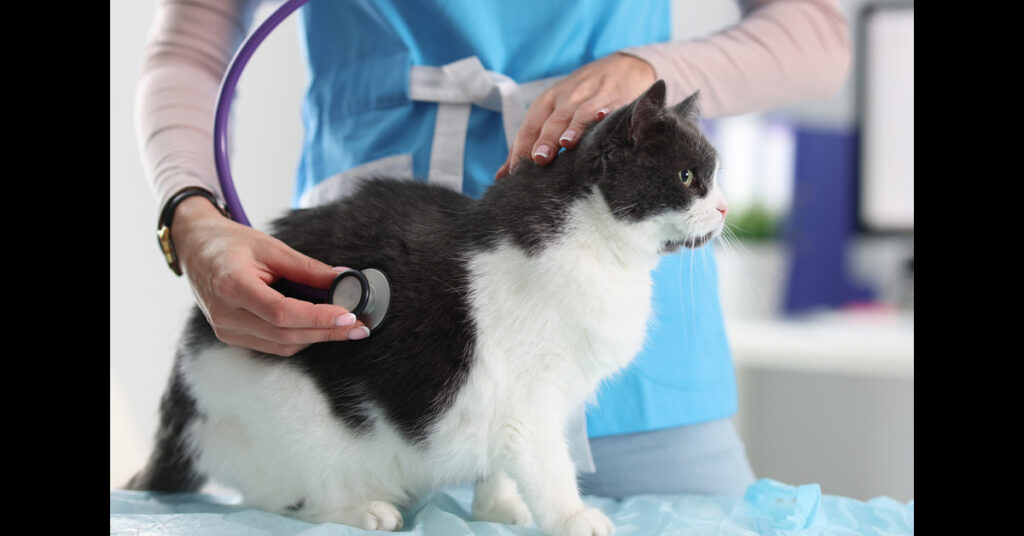
If your cat is coughing, your first thought might be hairballs, but there’s a good chance something else is going on. Cat coughing can signal everything from a minor irritant to a serious respiratory condition that needs veterinary attention. Below, this blog will help you understand why your cat is coughing and when it’s time to call your vet.
What Does a Coughing Cat Look Like?
A coughing cat often looks different from what pet owners expect. Rather than the human-style cough we’re used to, a cat cough usually involves crouching low to the ground, extending the neck, and forcefully expelling air. Some owners mistake this motion for vomiting, especially when nothing comes up.
Cat coughing sounds can range from a dry, hacking noise to a wet, rattling sound, depending on the cause. Understanding the difference can help you describe the symptom accurately when you contact North Jersey Animal Hospital.
Why Is My Cat Coughing? 6 Surprising Causes
1. Feline Asthma
Feline asthma is one of the most common causes of chronic cat coughing, and many owners are surprised to learn how frequently cats develop this condition. Feline asthma occurs when the airways become inflamed and constricted, often in response to environmental triggers like dust, smoke, pollen, or strong cleaning products.
A cat coughing due to asthma may also exhibit labored breathing, wheezing, or open-mouth breathing. These episodes can range from mild to life-threatening, so a proper diagnosis is essential. Our team at North Jersey Animal Hospital can perform diagnostic imaging and other tests to confirm an asthma diagnosis and develop a management plan.
2. Upper Respiratory Infections
Upper respiratory infections (URIs) (often called cat colds) are another frequent cause of coughing in cats. These infections are typically caused by viruses such as feline herpesvirus or calicivirus, though bacterial infections can also play a role.
In addition to coughing, cats with a respiratory infection may sneeze, have a runny nose, develop eye discharge, or seem lethargic. While some URIs resolve on their own, others require veterinary treatment, particularly in kittens, senior cats, or immunocompromised animals.
3. Heartworm Disease
Many cat owners don’t realize that heartworm disease can affect felines, and that cat coughing is one of its primary symptoms. Heartworm-associated respiratory disease (HARD) can cause coughing, wheezing, and difficulty breathing, and it’s often misdiagnosed as asthma.
Unlike dogs, cats are atypical hosts for heartworms, meaning even a small worm burden can cause serious illness. There is no approved treatment for heartworm disease in cats, making prevention the most important tool. Ask our veterinary team at North Jersey Animal Hospital about heartworm prevention options.
4. Respiratory Parasites
Lungworms are parasites that can infect cats and cause respiratory symptoms, including a persistent cat cough. Cats typically become infected by eating infected prey like birds, rodents, or snails. While less common than other causes, lungworm infections are worth considering, especially in outdoor or indoor-outdoor cats.
Diagnosis usually involves a fecal exam and sometimes imaging. Treatment is available, and your veterinarian can guide you through the right protocol for your cat.
5. Pleural Effusion
Pleural effusion, which is the accumulation of fluid around the lungs, can cause a cat to cough as the body tries to compensate for reduced lung capacity. This condition can be associated with infections, heart disease, cancer, or other underlying illnesses. A cat coughing with labored breathing, reduced activity, or a hunched posture may have fluid accumulation and should be evaluated by a veterinarian as soon as possible.
6. Foreign Bodies or Throat Irritants
Sometimes a cat coughs because something is physically irritating the airway such as a piece of grass, a small toy fragment, or even food. A cat that begins coughing suddenly and persistently may have an object lodged in the throat or airway.
This is considered a veterinary emergency if the coughing is severe, the cat is gagging repeatedly, or breathing seems impaired. Do not attempt to remove anything from your cat’s airway at home.
Common Signs That Accompany Cat Coughing
When evaluating your cat’s cough, pay attention to any accompanying symptoms. These additional signs can help your veterinarian at North Jersey Animal Hospital narrow down the cause:
- Sneezing or nasal discharge (may indicate a respiratory infection)
- Wheezing or labored breathing (possible asthma or pleural effusion)
- Lethargy or loss of appetite (suggests systemic illness)
- Open-mouth breathing (a red flag that warrants immediate attention)
- Coughing after physical activity or excitement (can point to cardiac or respiratory conditions)
When Should I Be Worried About My Cat Coughing?
Not every cough is an emergency, but certain symptoms should prompt an immediate call to the vet. You should seek prompt veterinary care if your cat is:
- Coughing frequently or for several days without improvement
- Showing signs of labored breathing or breathing with an open mouth
- Losing weight, refusing to eat, or acting unusually tired
- Coughing up blood or thick, discolored mucus
- Suddenly coughing intensely after possible exposure to a foreign object
Occasional, infrequent coughing in a cat that otherwise seems healthy may not be urgent, but it’s always worth mentioning to your vet at your next visit.
How Vets Diagnose the Cause of Cat Coughing
Because cat coughing can stem from so many different causes, veterinarians rely on a combination of diagnostic tools to identify the source. At North Jersey Animal Hospital in Wayne, NJ, the diagnostic process may include:
- A thorough physical exam and patient history
- Chest X-rays to look for lung changes, fluid, or masses
- Blood work and fecal testing to screen for parasites or infection
- Bronchoscopy to examine the airways directly
- Heartworm testing, particularly for cats with chronic coughing
Getting an accurate diagnosis is the first step toward effective treatment and toward getting your cat breathing comfortably again.
What to Do When Your Cat Won’t Stop Coughing
If your cat has been coughing for more than a day or two, or if the coughing is frequent and intense, it’s time to schedule an appointment. Early evaluation leads to earlier treatment and better outcomes for conditions like asthma, respiratory infections, and heartworm disease.
Our veterinary team at North Jersey Animal Hospital is here to help you get to the bottom of your cat’s cough and create a care plan tailored to your feline family member. Call us at (973) 595-8600 or book an appointment online.